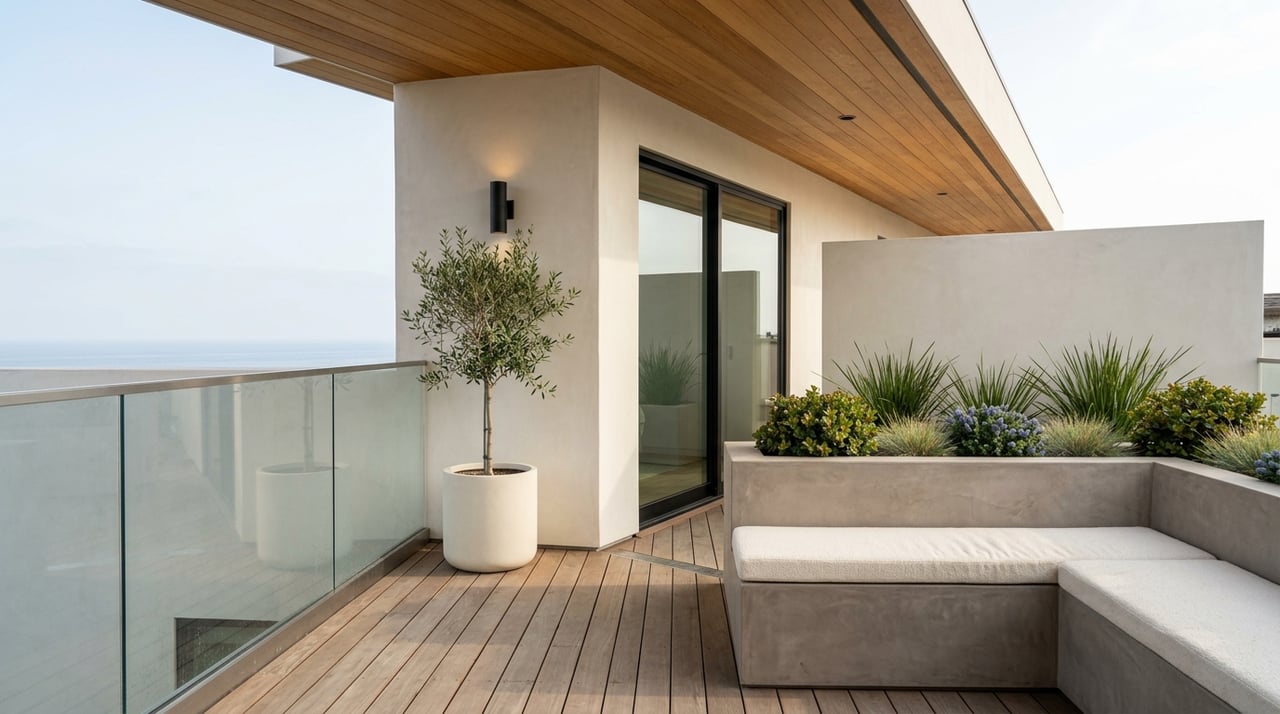
Buying A View Home In Tiburon: What To Consider
June 25, 2026
June 25, 2026
Dreaming about a Tiburon view home is easy. Knowing whether that view will work for your daily life, maintenance budget, and long-term plans takes a closer look. If you are hoping to buy in one of Marin’s most scenic settings, it helps to understand how topography, access, hazards, and future permitting can affect the value of what you see from the windows. Let’s dive in.
Tiburon’s setting is shaped by steep hillsides, shoreline edges, and wide bay outlooks. The Town’s long-range planning documents treat ridgelines, scenic corridors, shoreline access, and open-space views as core community assets.
That matters because not all views are created equal. In Tiburon, the most durable views often come from the land itself, preserved open space, or long-established shoreline patterns, rather than from a single gap between neighboring homes.
Before you focus on the kitchen, deck, or primary suite, ask a simple question: What is actually protecting this view? A dramatic bay outlook can feel permanent, but the source of that protection matters.
Some views are supported by ridgelines, scenic corridors, or open space that Tiburon’s planning framework specifically values. Others may depend more on a neighboring parcel, tree canopy, or the current form of nearby improvements, which can be less predictable over time.
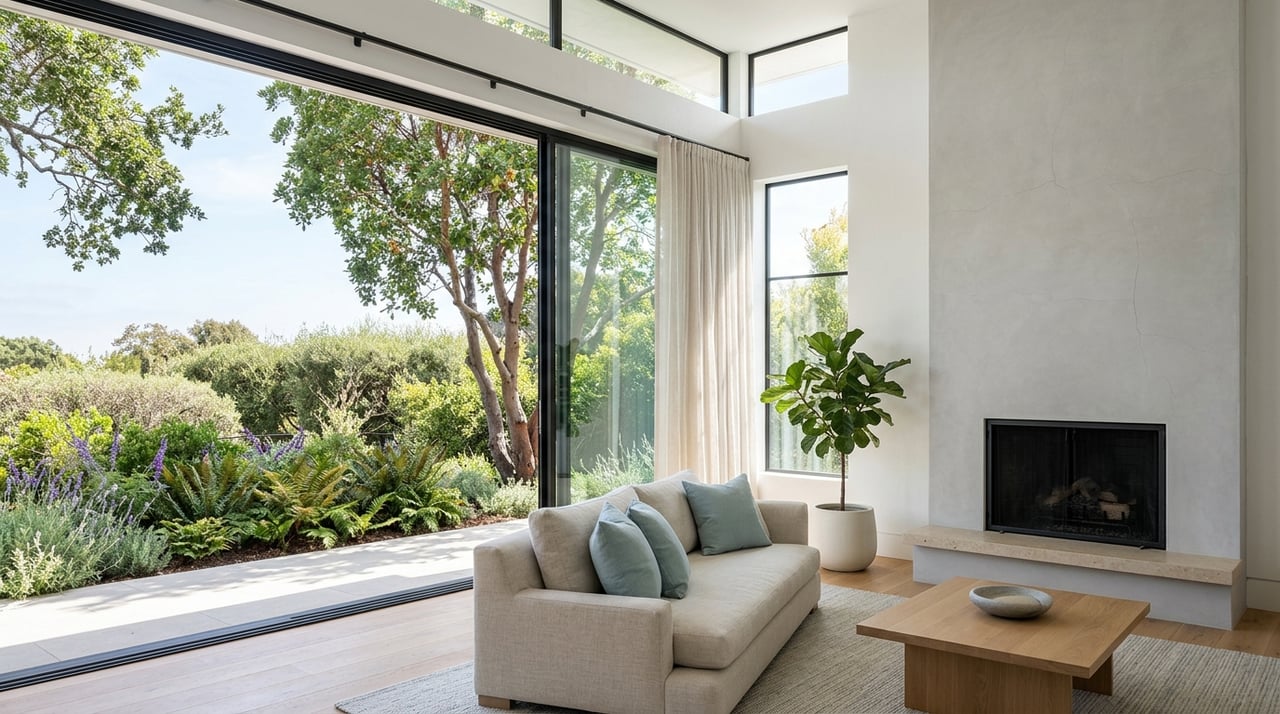
A view home can be beautiful and still feel too hot, too bright, or oddly dim depending on orientation. The room with the best panorama is not always the room you will enjoy most every day.
According to U.S. Department of Energy guidance, south-facing windows bring in the most winter sunlight, north-facing windows usually provide more even natural light with less glare, and east- and west-facing windows can create stronger glare and summer heat gain. In a glass-heavy Tiburon home, that can shape how comfortable your living spaces feel through the seasons.
If possible, visit at different times of day. A stunning sunset view may come with heat and glare that changes how often you actually use the room.
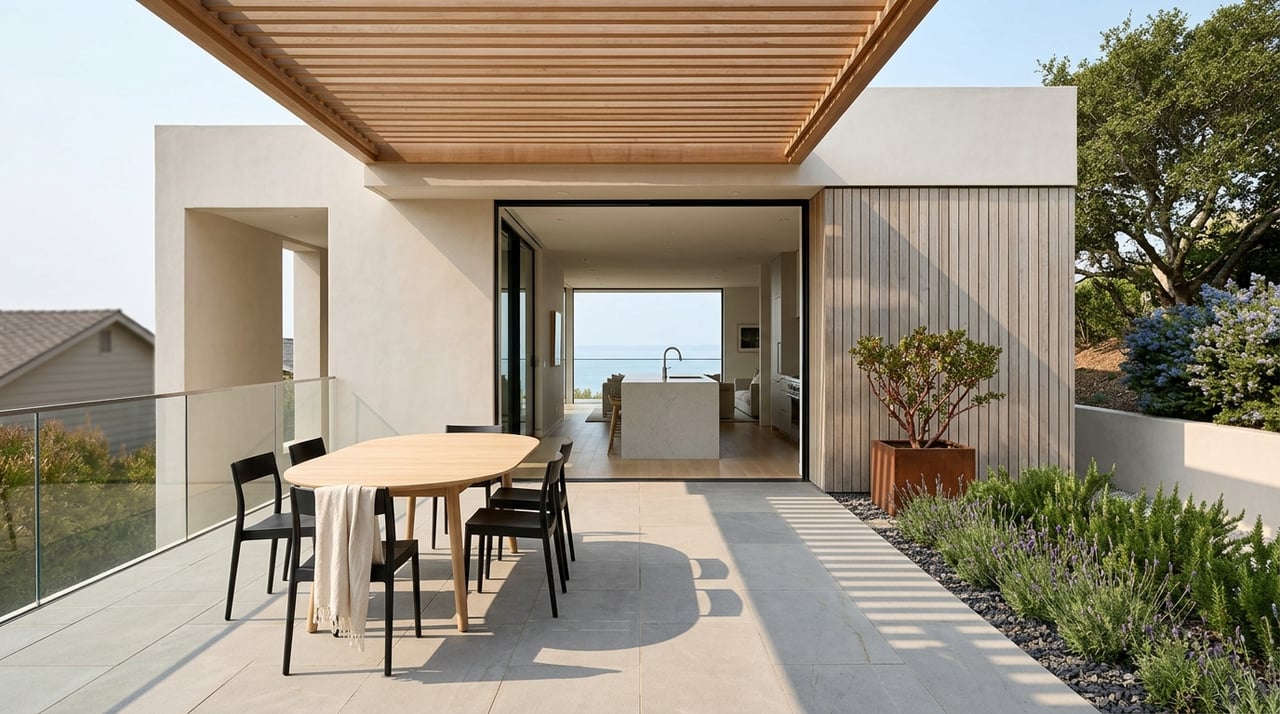
Views and privacy do not always come together naturally. In hillside and waterfront settings, large windows and open decks can also create direct sight lines from roads or neighboring properties.
Tiburon’s planning materials note that trees and woodlands contribute to privacy, quiet, hillside stability, and visual character. When you evaluate privacy, look at whether it comes from mature vegetation, setbacks, or open space, because each one carries different maintenance and replacement risks.
A home may feel private on showing day because landscaping is mature and carefully maintained. It is worth asking yourself whether that privacy would still hold up if vegetation changes, storms damage screening, or future maintenance becomes more expensive.
In a bayfront or near-bay setting, the view often comes with extra upkeep. Salt spray can accelerate corrosion of building materials, which means your inspection and future budget should pay close attention to the exterior.
That includes railings, flashing, deck hardware, fasteners, window parts, and exterior finishes. In a Tiburon view home, these are not small details. They can affect both near-term repairs and long-term ownership costs.
A great view can still be a great purchase, but it helps to go in with clear expectations about recurring maintenance.
Some Tiburon view homes sit in hillside locations with narrow, winding roads. Marin County hazard planning describes these neighborhoods as having roads lined with dense vegetation, and the Town advises residents to know two evacuation routes and be prepared to evacuate on foot or by bicycle if roads become impassable.
For you as a buyer, that makes access a real lifestyle issue, not just a line item. Driveway width, guest parking, turning space, delivery access, and contractor logistics can all affect how easy the home is to live in.
Ask yourself how the home works on a normal Tuesday, not just on a sunny open house weekend. Can two cars pass easily nearby? Is there room for guests? Would service providers, movers, or future renovation crews have workable access?
In Tiburon, a view home may be hillside, shoreline, or a mix of both. Each setting brings a different risk profile, and it is important to understand which one you are buying.
Low-lying shoreline areas in Tiburon have identified exposure to sea level rise, including parts of the Main Street waterfront, Bay Road, the Boardwalk shopping area, and Greenwood Beach in the near and medium term. The Town also says that, over the long term, much of downtown plus parts of Paradise Cay and Bel Aire may be vulnerable to inundation.
That does not mean every waterfront or near-water home faces the same issues. It does mean shoreline assumptions are evolving, and buyers should verify how a specific property fits into that larger planning picture.
If you are drawn to a water view, confirm the property’s FEMA flood zone early. FEMA notes that lenders generally require flood insurance for buildings in a Special Flood Hazard Area in communities that participate in the National Flood Insurance Program.
You should also ask whether the property has a history of drainage work, flood-mitigation improvements, or elevation-related concerns. These details can affect both your carrying costs and your comfort level as an owner.
Uphill view homes often come with brush, mature landscaping, and limited street frontage. CAL FIRE states that wildfire preparedness starts with home hardening and defensible space, and Tiburon’s local guidance emphasizes knowing evacuation routes.
When you tour a property, look at more than the finish level inside. Consider vegetation near the structure, access in and out, and whether the site appears manageable from a defensible-space standpoint.
For hillside homes, the land itself is part of the purchase decision. Marin County’s hazard mapping identifies areas susceptible to landslides, and Tiburon’s Safety + Resilience planning addresses seismic and geologic hazards including earthquakes, liquefaction, tsunami, and landslide.
That is why drainage, retaining conditions, and slope history deserve serious attention during due diligence. A beautiful perch above the bay can be compelling, but hillside performance over time matters just as much as the view.
If you are buying a view home with future plans for expansion, do not assume every change will be simple. For properties near the shoreline, the Bay Conservation and Development Commission says many projects in San Francisco Bay and the first 100 feet inland from the shoreline require a permit.
That can affect additions, remodels, decks, shoreline protection, stairs, docks, and similar improvements. If your purchase depends on adding square footage or reworking outdoor spaces, confirm the approval path before you treat those ideas as easy value-add opportunities.
Here is a practical way to evaluate a property before you get swept up by the scenery.
The best Tiburon view homes usually offer more than a dramatic outlook. They balance scenery with privacy, comfort, manageable upkeep, practical access, and realistic future flexibility.
That balance often supports long-term enjoyment and resale appeal more reliably than the view alone. In a market like Tiburon, understanding the full picture helps you buy with more confidence and fewer surprises.
If you are considering a Tiburon view home, working with an agent who understands Marin’s hillside and waterfront nuances can make the process much clearer. Janey Kaplan brings deep local knowledge, a strategic approach, and the kind of practical guidance that helps you look beyond the view and make a smart decision.
Stay up to date on the latest real estate trends.
Get assistance in determining current property value, crafting a competitive offer, writing and negotiating a contract, and much more. Contact me today.